
“Training programs and community engagement are crucial for bridging the digital literacy gap and ensuring the successful adoption of smart greenhouse systems.” Environmental challenges (such as temperature swings and the effects of climate change), can impact the effectiveness of smart greenhouse systems. For more insights on the challenges and opportunities of implementing such systems — you can read this detailed article.
Connectivity further enhances smart greenhouse operations, allowing for remote monitoring and control. This network allows for continuous data flow, providing a comprehensive overview of the greenhouse conditions. This technological shift allows for self-regulating microclimates that promote consistent plant development. The key is developing a strategic automation plan that addresses your specific needs while allowing for future technological adoption. The greenhouse automation landscape of 2026 represents a fundamental shift from simple timers and thermostats to comprehensive growing systems with artificial intelligence at their core. This comprehensive guide walks you through everything from basic automation essentials to cutting-edge AI systems that learn and adapt to your plants’ needs.
The following table highlights key metrics that contrast smart greenhouses with traditional ones. Traditional methods are outperformed by smart greenhouses, which tackle issues such as resource scarcity, labor costs, and climate variability. Specific agricultural issues are addressed by each type, with smart greenhouses demonstrating versatility in various contexts, from tackling water scarcity in hydroponics to overcoming space limitations in vertical systems. This article delves into the mechanics, types, applications, benefits, and market trends of smart greenhouses, underpinned by factual data and organized tables.
When goals are aligned with projects and tasks (teams can assign owners), identify issues early, and make adjustments smoothly. When teams can see the goal alongside https://www.livebusinessblog.co.uk/from-cbd-oil-to-thc-carts-whats-trending-in-2026/ the tasks they complete each day, they make better decisions about priorities and tradeoffs. For example, a goal may be achievable, but achieving it would require every team member to work overtime for six consecutive weeks. It showed that individuals who wrote down their goals and outlined action steps had a 76% success rate in achieving them — especially when they shared weekly updates with a friend.
Technological Innovations Driving Change

By using renewable energy sources (conserving water), and adopting sustainable pest management practices, greenhouses can minimize their impact on the environment. By optimizing growing conditions, modern greenhouses can significantly enhance crop yields. Using organic and biocontrol methods to manage pests and diseases is another sustainable practice for modern greenhouses. Integrating renewable energy sources (such as solar panels or wind turbines), can significantly reduce the greenhouse’s carbon footprint and lower operational costs. By adopting sustainable practices (farmers can reduce their environmental impact), conserve resources, and create a more resilient agricultural system.
By providing financial support (governments can encourage the adoption of smart greenhouse systems), making them more accessible to a wider range of farmers. Smart greenhouse systems are revolutionizing agriculture by leveraging IoT technology and advanced sensors to monitor and control environmental conditions. & Shabanali Fami, H. Smart technologies for enhancing greenhouse production management under climate and economic challenges.
For other goal-setting resources, see our articles, Golden Rules of Goal-Setting, Using Well-Formed Outcomes in Goal Setting, Personal Goal Setting, and Treasure Mapping. A specific goal could be, “I want to gain the skills and experience necessary to become head of marketing within my organization, so that I can build my career and lead a successful team.” Setting SMART goals means you can clarify your ideas (focus your efforts), use your time and resources productively, and increase your chances of achieving what you want in life. A well-crafted SMART goal for work directly connects to projects and provides the team with a shared understanding of success.
Intelligent approaches, including ANNs and Fuzzy Logic Control (FLCs), exploit computational algorithms to achieve high accuracy and adaptability. Furthermore, in terms of literature, this review not only lists the studies on zero energy consumption for smart greenhouses available, but it also presents articles that highlight the approaches in terms of technologies adopted. This article focuses primarily on studies related to zero energy consumption and zero environmental impact.
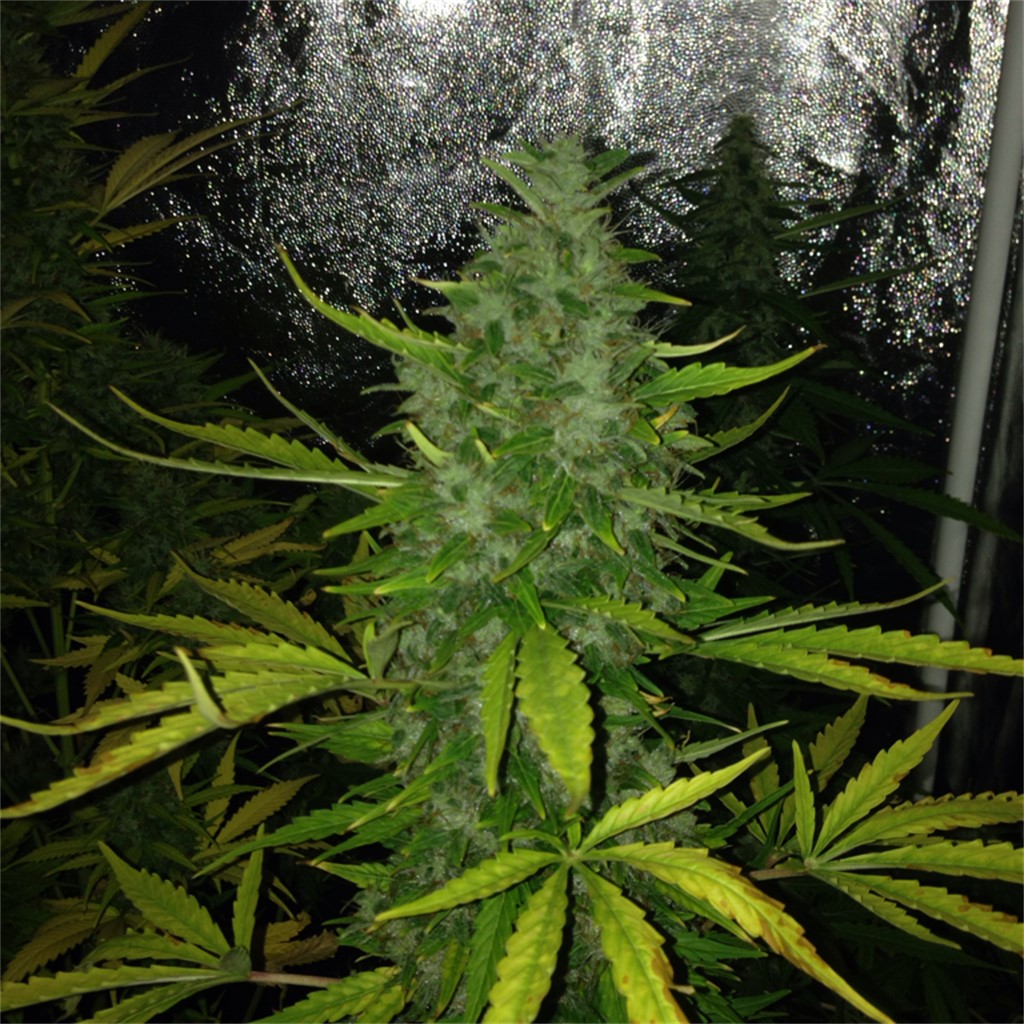
Energy usage is optimized through systems like solar panels (automated shading), and energy-efficient equipment. These tools offer gardeners advanced solutions to optimize plant care (conserve resources), and achieve healthier yields. This enables gardeners to grow a variety of plants, including exotic or out-of-season species, fostering biodiversity and increased yields.
Climate control is the cornerstone of a successful automated greenhouse. These core elements work in harmony to create an environment that can significantly boost plant growth while conserving resources—a win-win for the planet and your pocketbook. As global demand for fresh produce continues rising alongside concerns about sustainability and labor shortages, automation stands as a key enabler for scaling efficient food production well into the future. Although challenges remain in adoption barriers and technical complexity, ongoing advancements promise broader accessibility making automated greenhouses an indispensable feature of modern agriculture worldwide.
Key Takeaways
These components are fundamental in maintaining optimal growing conditions, including temperature, humidity, light, and soil moisture. This becomes especially crucial in addressing challenges such as climate change and food security. Blockchain technology is projected to play a significant role in traceability within smart greenhouse operations. Energy-efficient technologies, including LED grow lights and smart irrigation systems, will pair with these renewables to reduce the carbon footprint of agricultural practices. Future greenhouse setups will likely integrate renewable energy sources such as solar panels and wind turbines. Autonomous drones and robots could also gain prominence — conducting seeding, pruning, and harvesting tasks with minimal human intervention while maintaining high accuracy.
An alternative water source for crop production in greenhouses is rainwater harvesting systems, which, when integrated into a rooftop greenhouse, can reduce reliance on the water supply network by 80–90%, all while promoting water conservation practices. The ultimate aim is to enhance production yield by monitoring the desired trajectories of controlled variables — all while conserving water and energy resources. The advent of hydroponics represents a noteworthy development in contemporary greenhouses — enabling crop cultivation in a soil-less environment through the use of mineral nutrient solutions dissolved in water. The search focused on documents indexed up to 2015 (considering only recent research related to global greenhouse development and technologies), as well as the growth of the greenhouse sector in Qatar. This study’s research methodology encompasses a comprehensive review of scholarly literature along with information from gray literature (such as reports, discussion articles, policy papers) and databases , including FAOSTAT and the World Bank, from Qatar and other nations.